
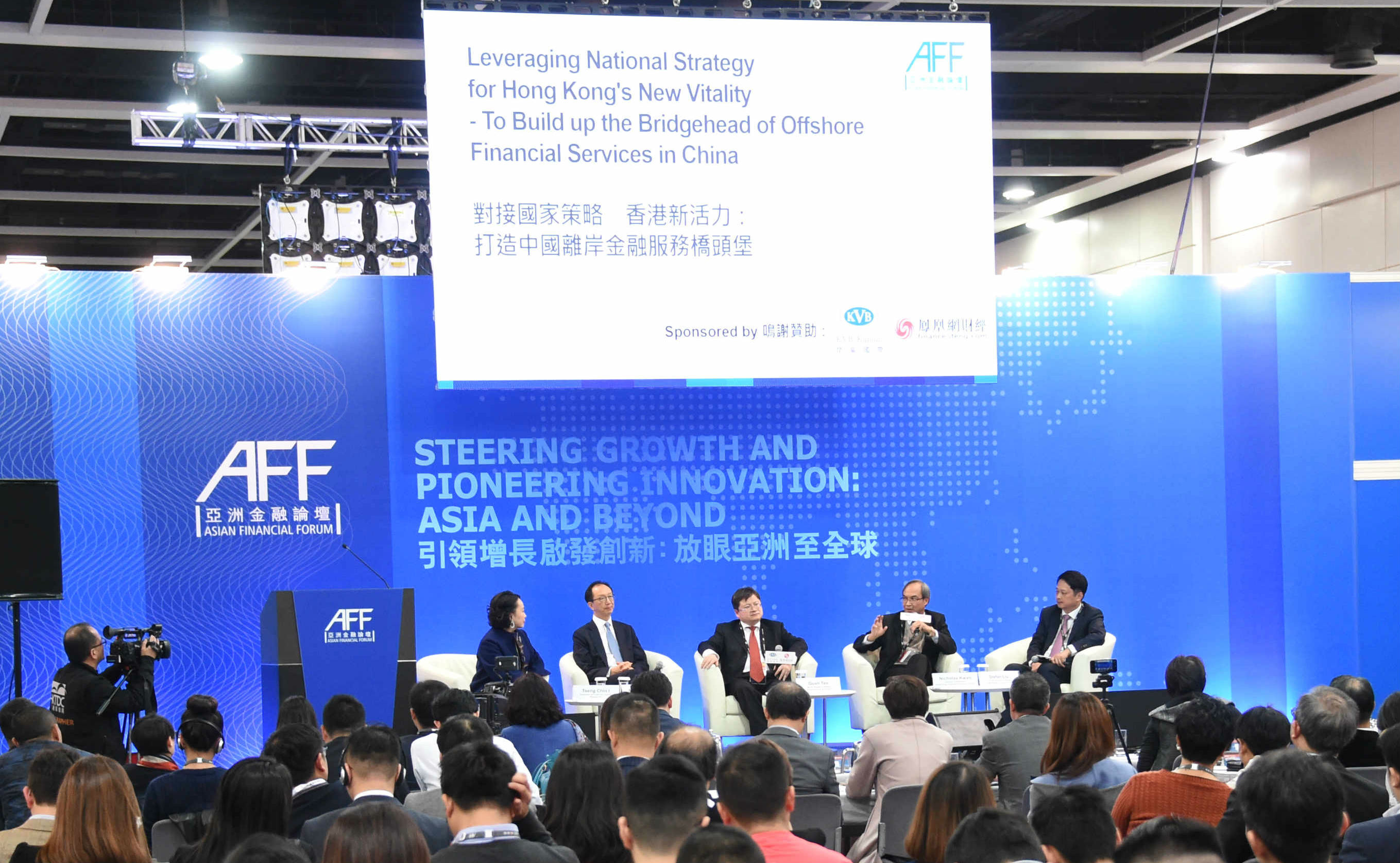
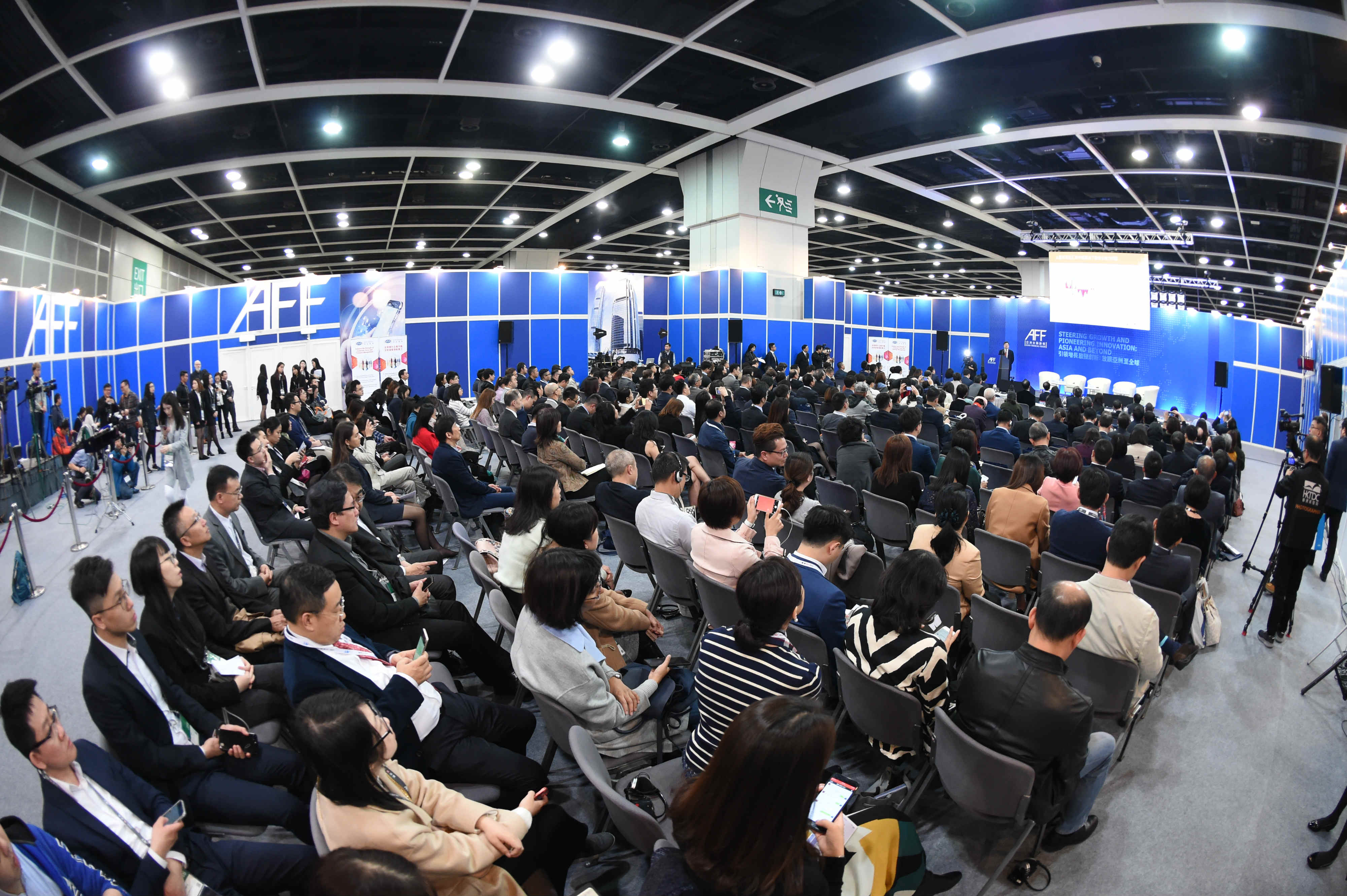
On January 15-16, the 11th Asian Financial Forum, co-organized by the Government of the Hong Kong Special Administrative Region and the Hong Kong Trade Development Council, was successfully held at the Hong Kong Convention and Exhibition Centre in Wan Chai. On the afternoon of January 16, KVB Kunlun International, Greater China's first listed foreign exchange dealer, together with the financial full-media service platform ifeng.com Finance and the conference organizers, held a forum breakout session themed "Aligning with National Strategy, New Vitality for Hong Kong: Building a Bridgehead for China's Offshore Financial Services." This was the financial industry's first large-scale high-end forum focused on corporate foreign exchange and China's offshore finance. With its characteristics of being "interactive and engaging, featuring insightful guests, and discussing valuable topics," the event successfully attracted more than 300 attendees to participate and learn on-site.
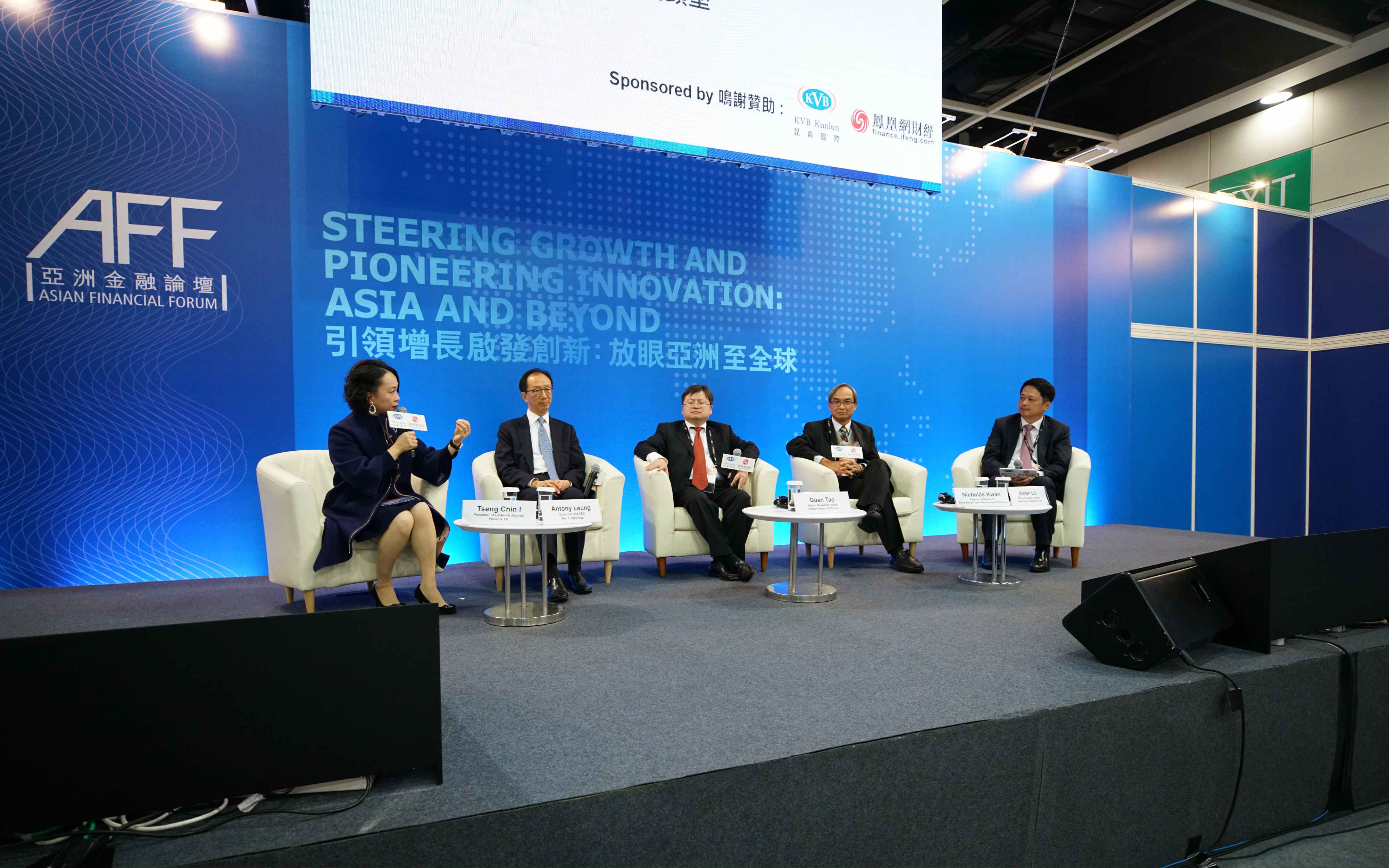
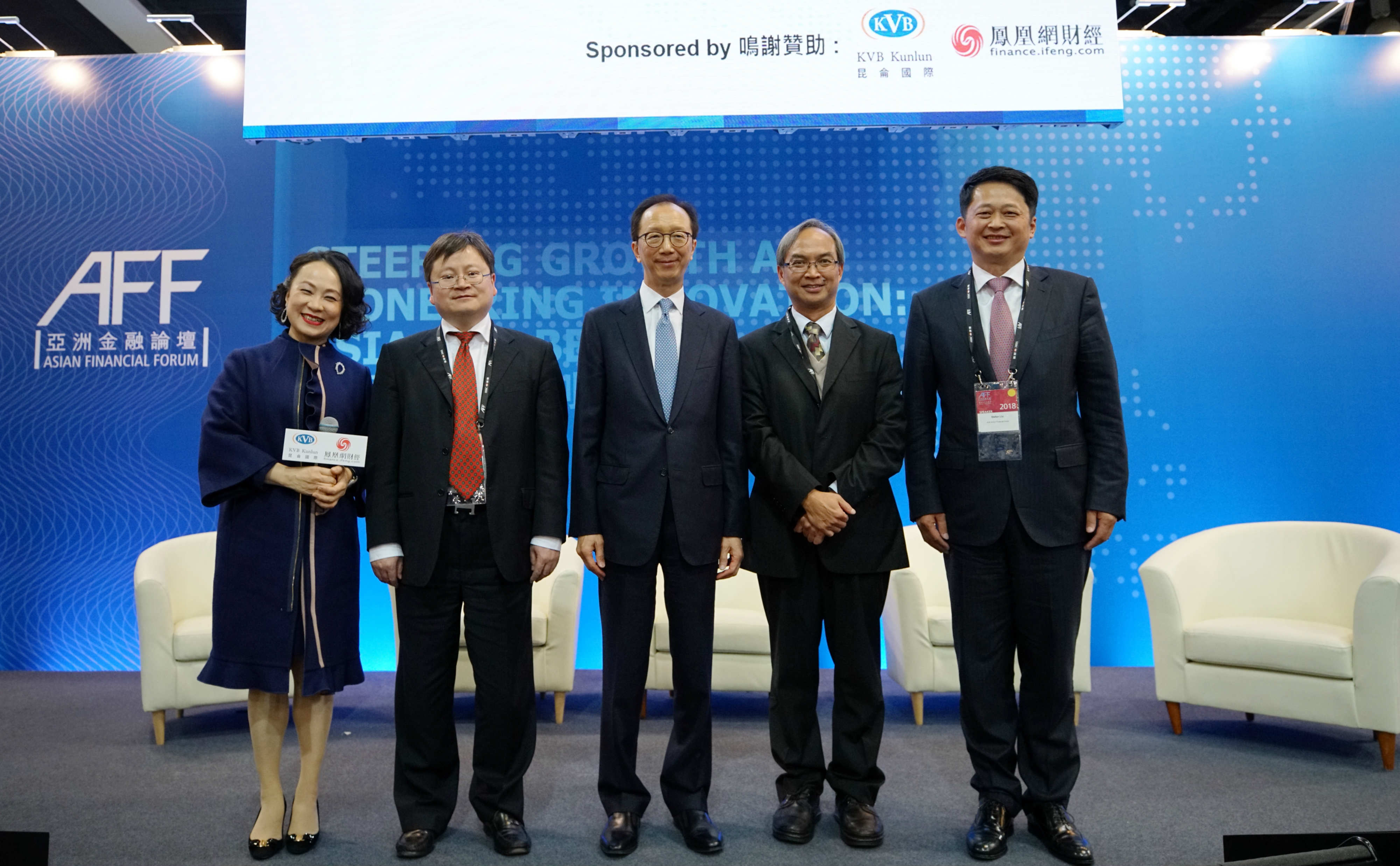
The breakout session invited guests from government, business, and academia, including Antony Leung, Chairman and CEO of Nan Fung Group; Guan Tao, Senior Fellow of the China Finance 40 Forum; Nicholas Kwan, Director of Research at the Hong Kong Trade Development Council; and Cindy Liu, CEO and Executive Director of KVB Kunlun International. Together they explored new opportunities for Chinese enterprises' development against the backdrop of RMB internationalization and the "Belt and Road" Initiative, new ideas for the development of the foreign exchange industry, and new vitality for Hong Kong's industrial development. The breakout session was moderated by Veronica Tsang, host of Phoenix Television's "Financial Watch" and Standing Director of the Phoenix Finance Research Institute, and was live-streamed in full via the Phoenix News app, successfully attracting a cumulative 600,000 online views, generating an enthusiastic response!
In line with the theme "Aligning with National Strategy, New Vitality for Hong Kong: Building a Bridgehead for China's Offshore Financial Services," the four guests each shared thorough insights and analysis from their respective fields, delivering speeches with unique perspectives that inspired reflection.
Antony Leung: The RMB Should Not Achieve Full Free Convertibility Too Early
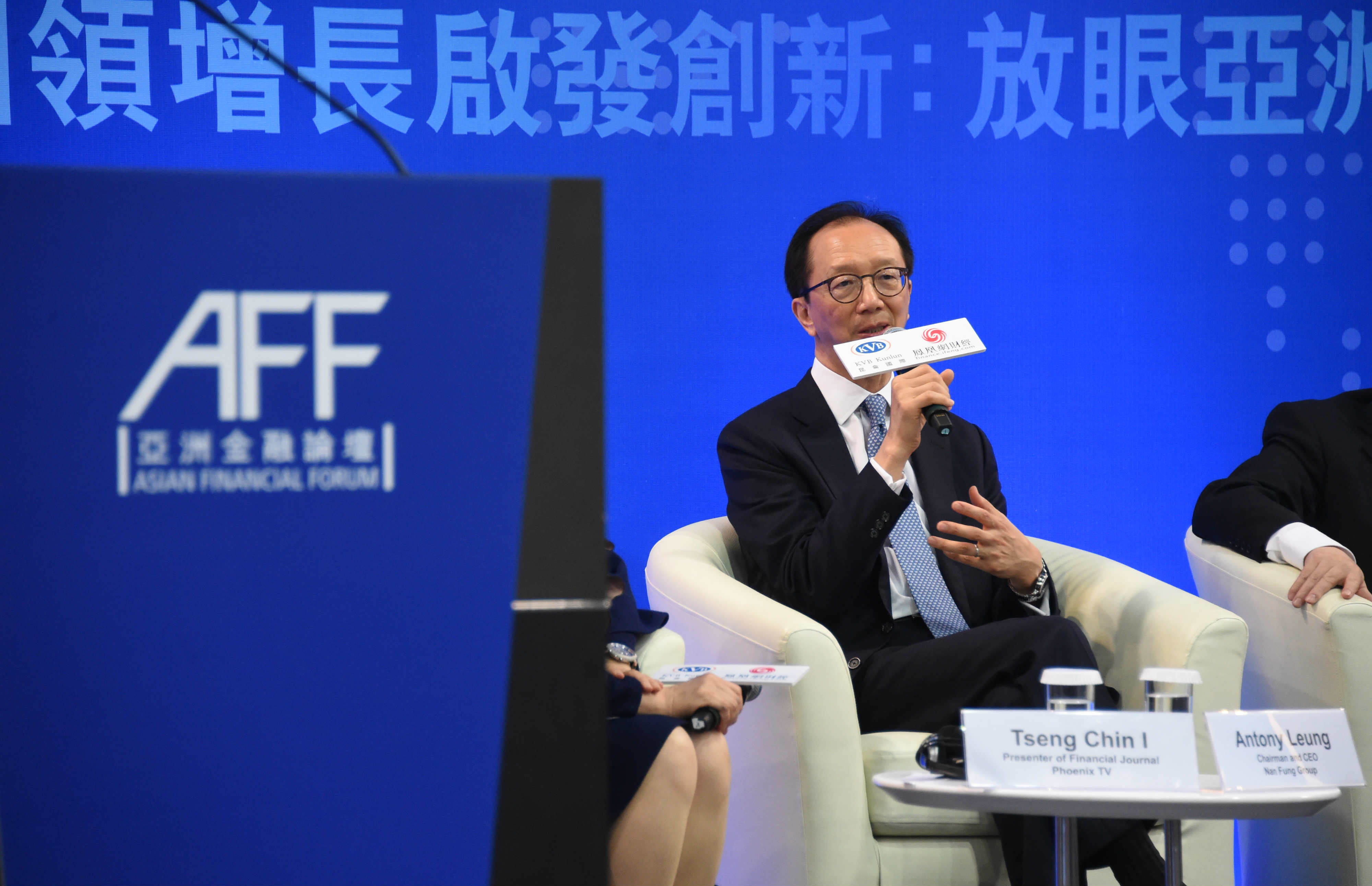
Mr. Antony Leung, Chairman and CEO of Nan Fung Group, believes that today's Hong Kong enjoys three development "opportunities": the "Belt and Road" Initiative, the Guangdong-Hong Kong-Macao Greater Bay Area, and the focus of this forum's discussion—RMB internationalization.
Among these, RMB internationalization holds strategic significance for national development, reflected not only in how it can support the globalization of China's overall economy and enterprises in various aspects, but also in its important position at the level of national security. While RMB internationalization needs to be continually advanced, full free convertibility of the RMB should not be achieved too early. This is because the rules of the international market are currently largely set by Western markets, where the volume of global capital is enormous and technology is advanced and fast-moving—within a few seconds, assets can be converted from one form to another and moved from one place to another. The volatility this could trigger is enormous, and the financial risks must not be underestimated! RMB internationalization needs to be given the time and space for gradual development.
Guan Tao: Bilateral RMB-USD Fluctuations Have Limited Impact on Corporate Exports
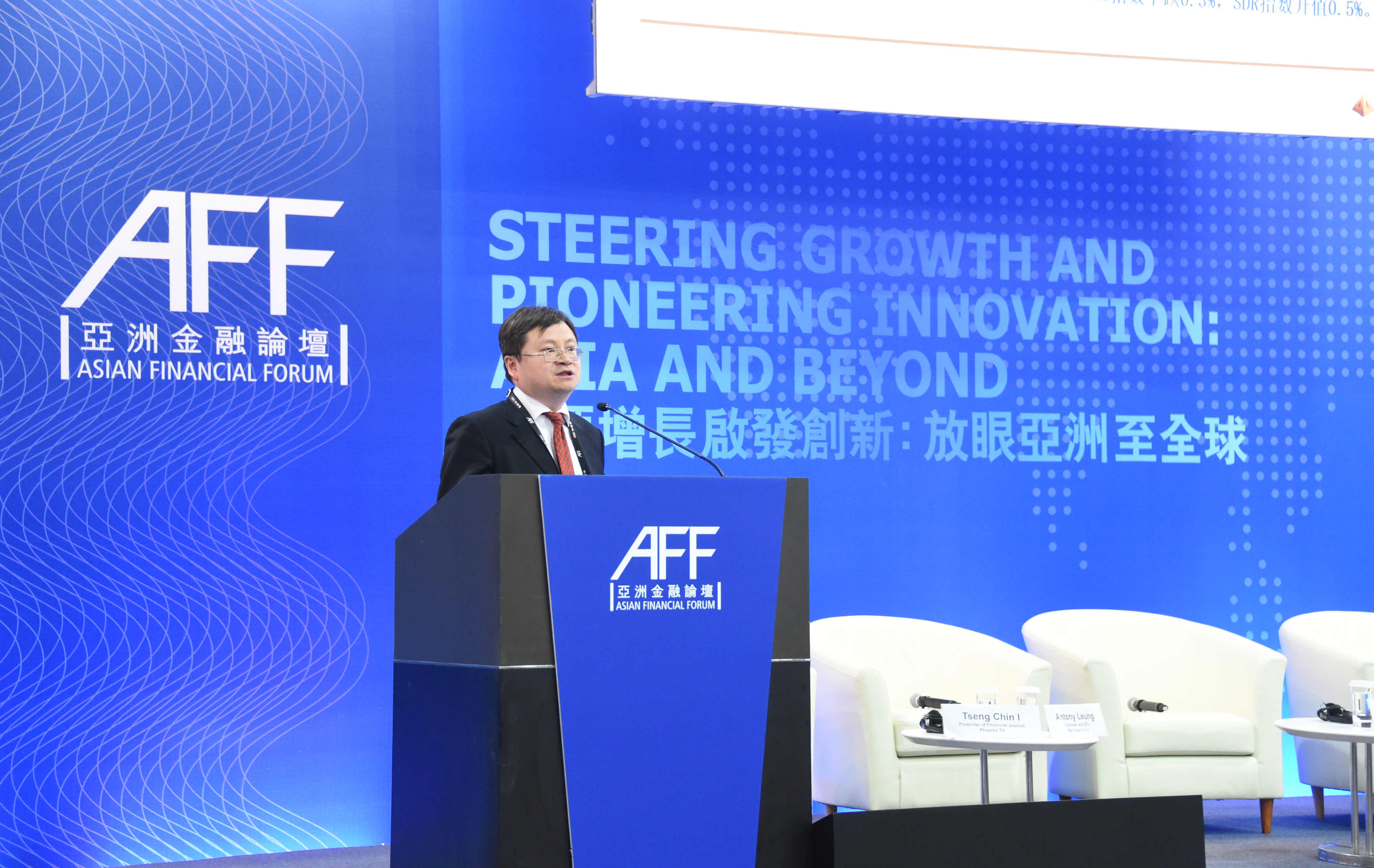
Mr. Guan Tao, Senior Fellow of the China Finance 40 Forum, posed a question to the on-site audience: In 2017, the RMB appreciated 6% against the US dollar—would this have a significant impact on China's export competitiveness?
Mr. Guan Tao believes that the RMB exchange rate is currently adjusted with reference to a basket of currencies. Although the bilateral RMB-USD exchange rate appreciated to a certain extent last year, the RMB's exchange rate against its major trading partners (i.e., the currency basket) remained basically stable, so China's export competitiveness in the markets of its major trading partners was not weakened. However, changes in the RMB exchange rate still affect trade between China and its trading partners, because 90% of the initial payments for Chinese enterprises' cross-border trade are denominated and settled in US dollars. If Chinese enterprises hold US dollar foreign exchange deposits without converting them, and then encounter exchange rate fluctuations, they will incur exchange losses in the course of international settlement, causing a financial impact on the enterprises.
Nicholas Kwan: Competition and Cooperation Between Hong Kong and Singapore
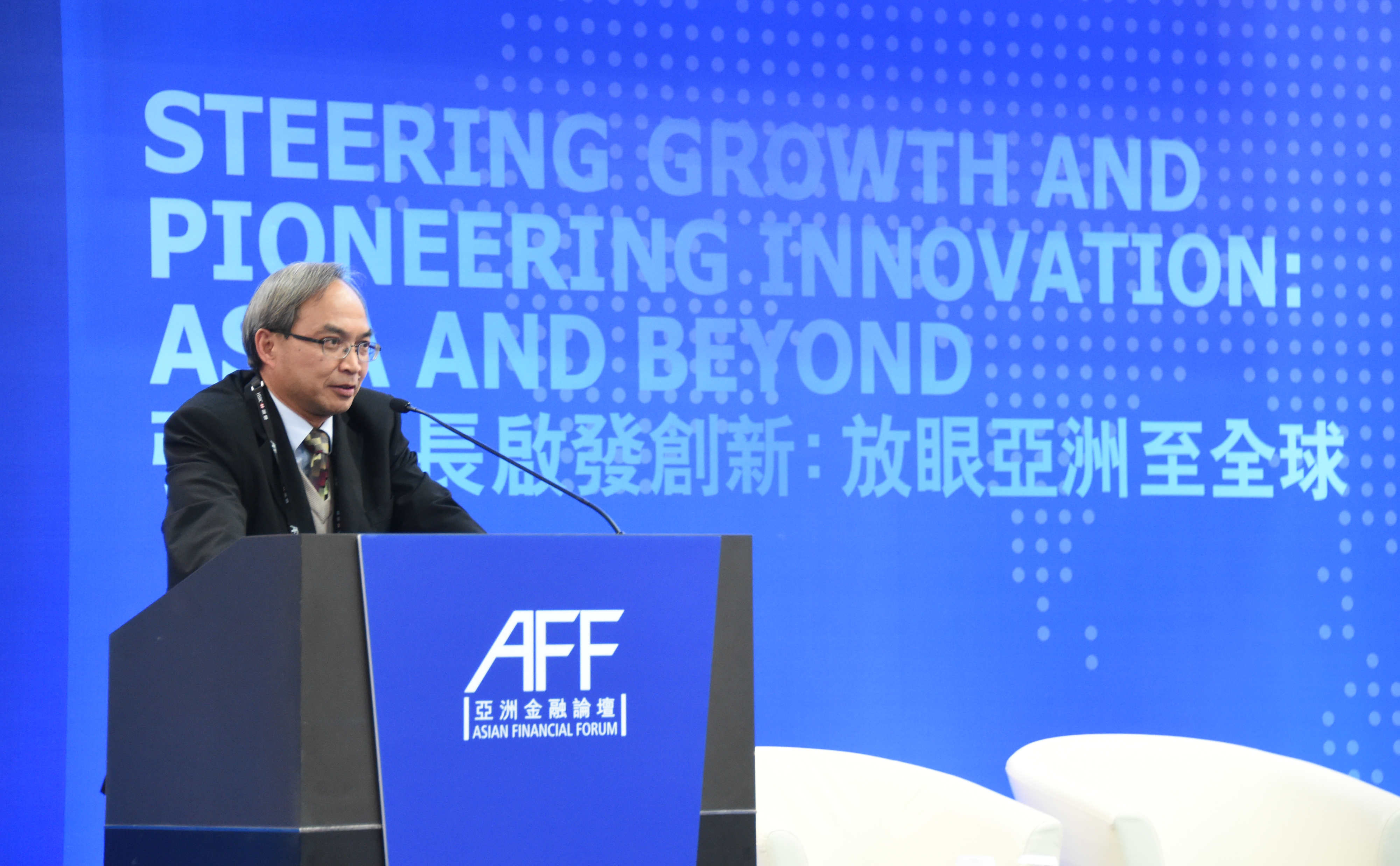
Mr. Nicholas Kwan, Director of Research at the Hong Kong Trade Development Council, offered a creative perspective when discussing the positioning and developmental relationship between Hong Kong and Singapore as international financial centers.
In the past, people generally believed that Singapore was a formidable rival to Hong Kong in developing an offshore financial market, something only to be "avoided at all costs." Mr. Kwan, however, believes that without competition there is no cooperation, and the two international financial centers are interdependent and inseparable. In the process of developing an offshore financial market, Hong Kong has both a division of labor and competition with Singapore. Singapore has advantages in areas such as tax policy, while Hong Kong has advantages in customer resources and culture related to RMB demand. The two cannot simply be ranked against each other; rather, they should each leverage their strengths and develop together.
Cindy Liu: KVB Kunlun International Stands at the Forefront of the Offshore Foreign Exchange Industry
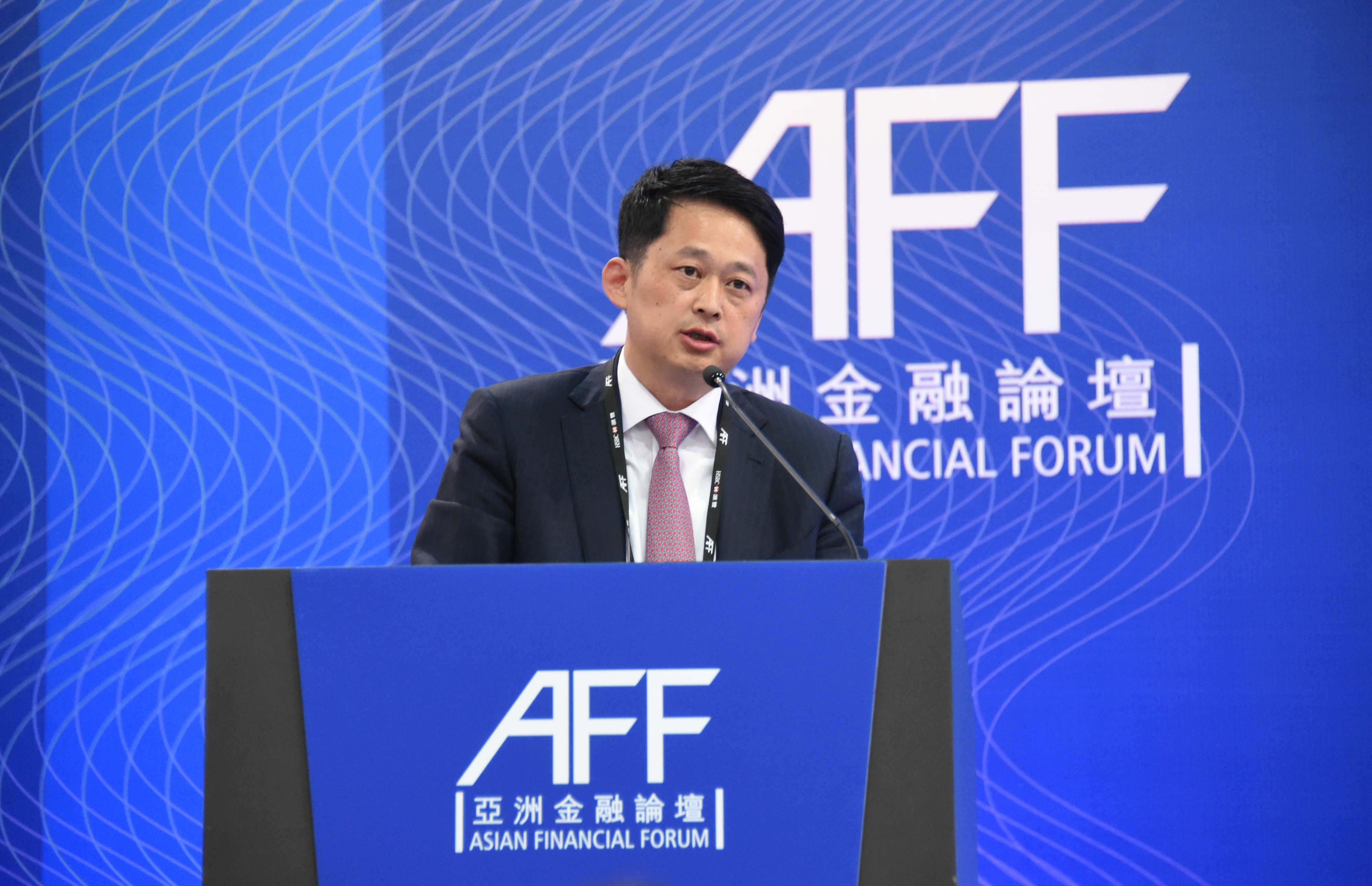
Mr. Cindy Liu, CEO and Executive Director of KVB Kunlun International, delivered the concluding remarks as the representative of the forum's organizers. In his speech, Mr. Liu noted that after more than a decade of deep cultivation in corporate foreign exchange and treasury management, KVB Kunlun International has come to stand at the forefront of the offshore foreign exchange industry.
As a leader in the Greater China foreign exchange industry, KVB holds itself to the standards of an industry benchmark, striving to build a shared, platform-based ecosystem for corporate foreign exchange and treasury management through the combination of fintech and foreign exchange expertise. Mr. Liu also shared KVB Kunlun International's "four-through" core objectives for future development: through the top-tier global counterparty bank resources accumulated over the past decade or more, helping enterprises eliminate the barriers and difficulties of connecting directly with banks; through an industry-benchmark approach to hedging and management, helping enterprises effectively recognize and avoid currency risks and safeguard their profits; through a cloud-based foreign exchange and treasury management platform, achieving the integration and optimization of corporate processes, improving operational efficiency, and saving labor and operating costs; and through an ecosystem model targeting corporate foreign exchange and treasury management, attracting more financial institutions to join in, enriching the full chain of financial services in both breadth and depth, and forming one-stop offshore financial services for enterprises.
Through the in-depth interaction and discussion at this forum, the interdependent relationship and development direction among Hong Kong, Chinese enterprises, and the foreign exchange industry became increasingly clear: RMB internationalization and China's economic globalization strategy are enabling more and more mainland enterprises to step onto the international stage with the help of Hong Kong as a "bridgehead." In this process, Hong Kong needs to play its important role as an offshore RMB center and a hub for China's offshore financial services, and, by seizing the opportunity to support national development, simultaneously inject strong vitality into its own growth.
Corporate foreign exchange and treasury management is an important component of Hong Kong's offshore financial services industry, and even more so a rigid need that urgently requires strengthening as Chinese enterprises "go global." Bearing the title of "Greater China's first foreign exchange stock," KVB Kunlun International will surely make full use of Hong Kong's advantages to help enterprises strengthen their comprehensive capabilities in foreign exchange and treasury management, empowering Chinese enterprises to go further in international markets.
A packed audience and a full house at the forum
Guests and the moderator interacting with the audience during the roundtable session
The four guests and the moderator posing for a group photo to celebrate the successful conclusion of the event
Thank you all for your support and attention to this financial forum! We have every reason to believe that Hong Kong—as a "bridgehead" actively aligning with national strategy and helping Chinese enterprises go global—will enjoy an even brighter future.
Welcome to【click to learn more (https://www.kvbgc.com/cn/corp-fx-treasury-mgmt/)】about KVB Kunlun International's corporate foreign exchange and treasury management products and services.
