
New Zealand once again ranks among the top in the latest global anti-money laundering rankings published by the Basel Institution of Governance, making it one of the countries with the lowest money laundering risk in the world, as well as one of the most strictly regulated countries in terms of anti-money laundering laws. KVB has long adhered to the most rigorous anti-money laundering compliance controls and provides anti-money laundering compliance training to the local Chinese community, especially new immigrants.
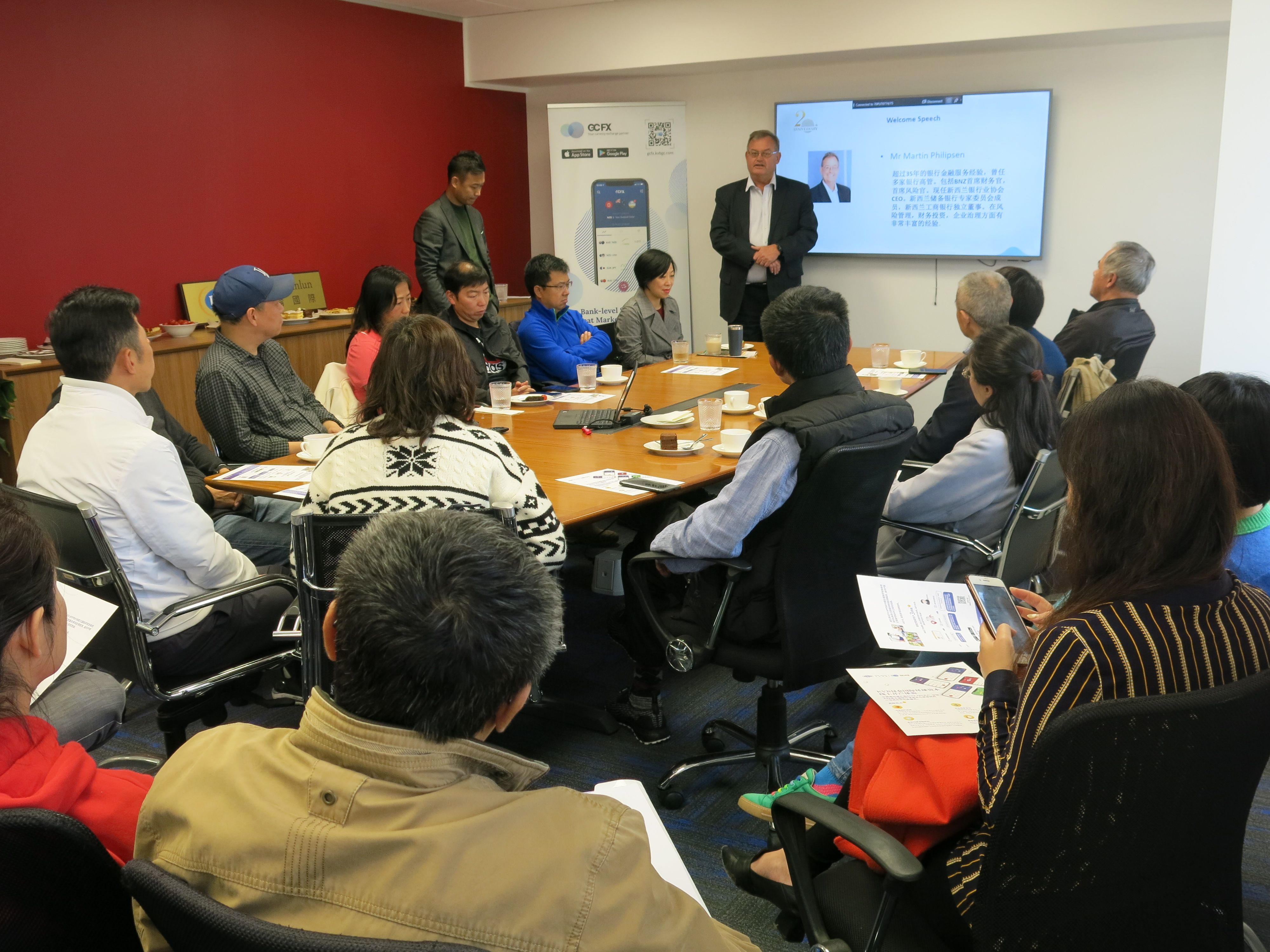
On May 20, KVB and Guosen Securities jointly hosted the latest seminar to help local new investor immigrants understand local anti-money laundering regulations as well as local supervisory and compliance requirements. More than 20 investor immigrant clients of Guosen Securities visited the KVB office, marking the first time since the COVID-19 pandemic that KVB has held a small-scale seminar at its new top-floor office in the CBD.
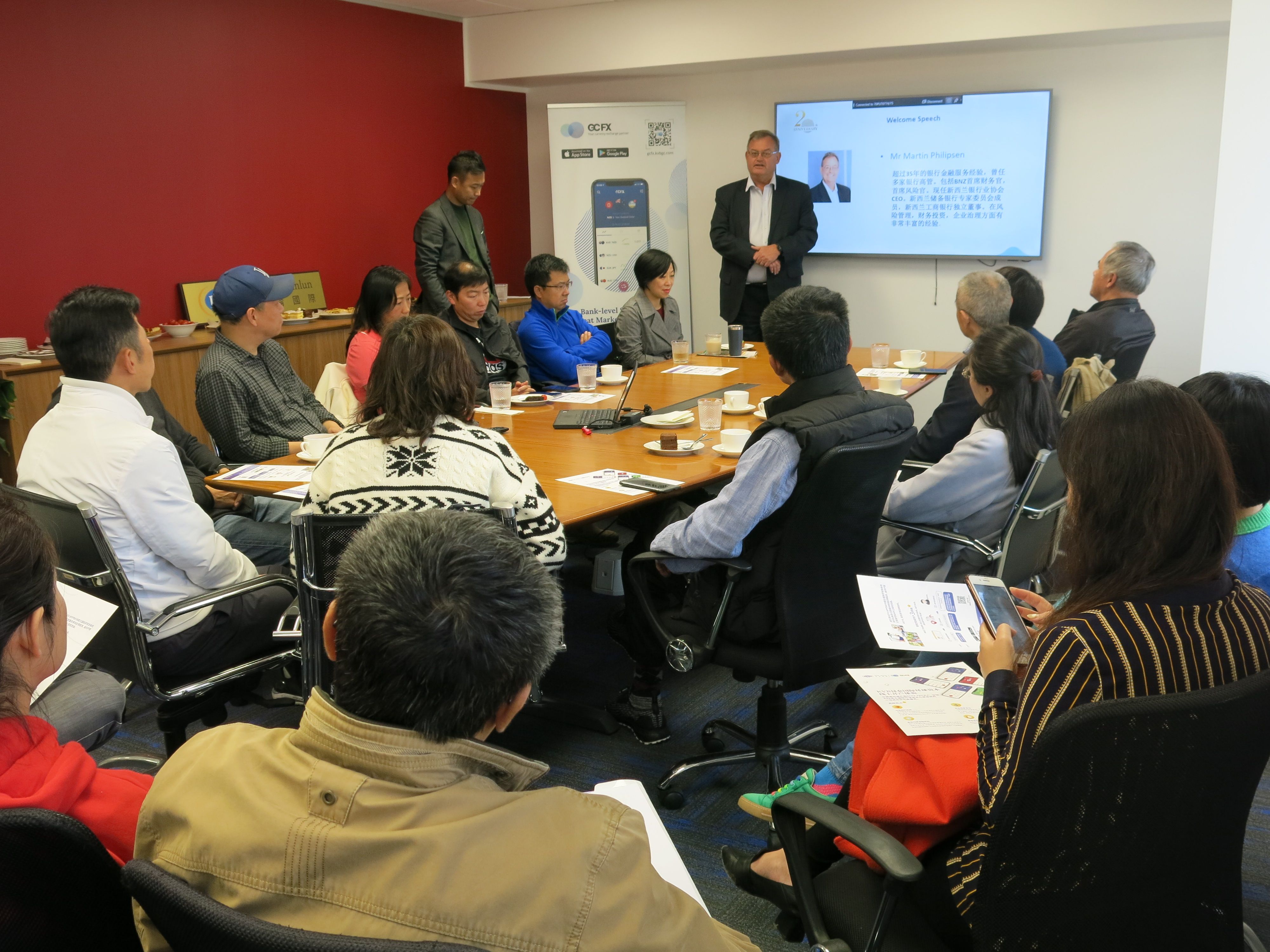
To begin, Martin Philipson, Independent Director of KVB New Zealand, welcomed all the clients and guests in attendance. Martin previously served as Chief Financial Officer and Chief Risk Officer of BNZ and currently serves as a member of the expert committee of the Reserve Bank of New Zealand and Independent Director of ICBC New Zealand, with over 30 years of experience in the banking and finance industry. Martin first thanked Guosen Securities for providing this opportunity for KVB to share the latest industry information, which is beneficial whether one is engaged in business, property development, or is a new immigrant who has just arrived in New Zealand. He also introduced KVB's emphasis on regulation and compliance with legislation.
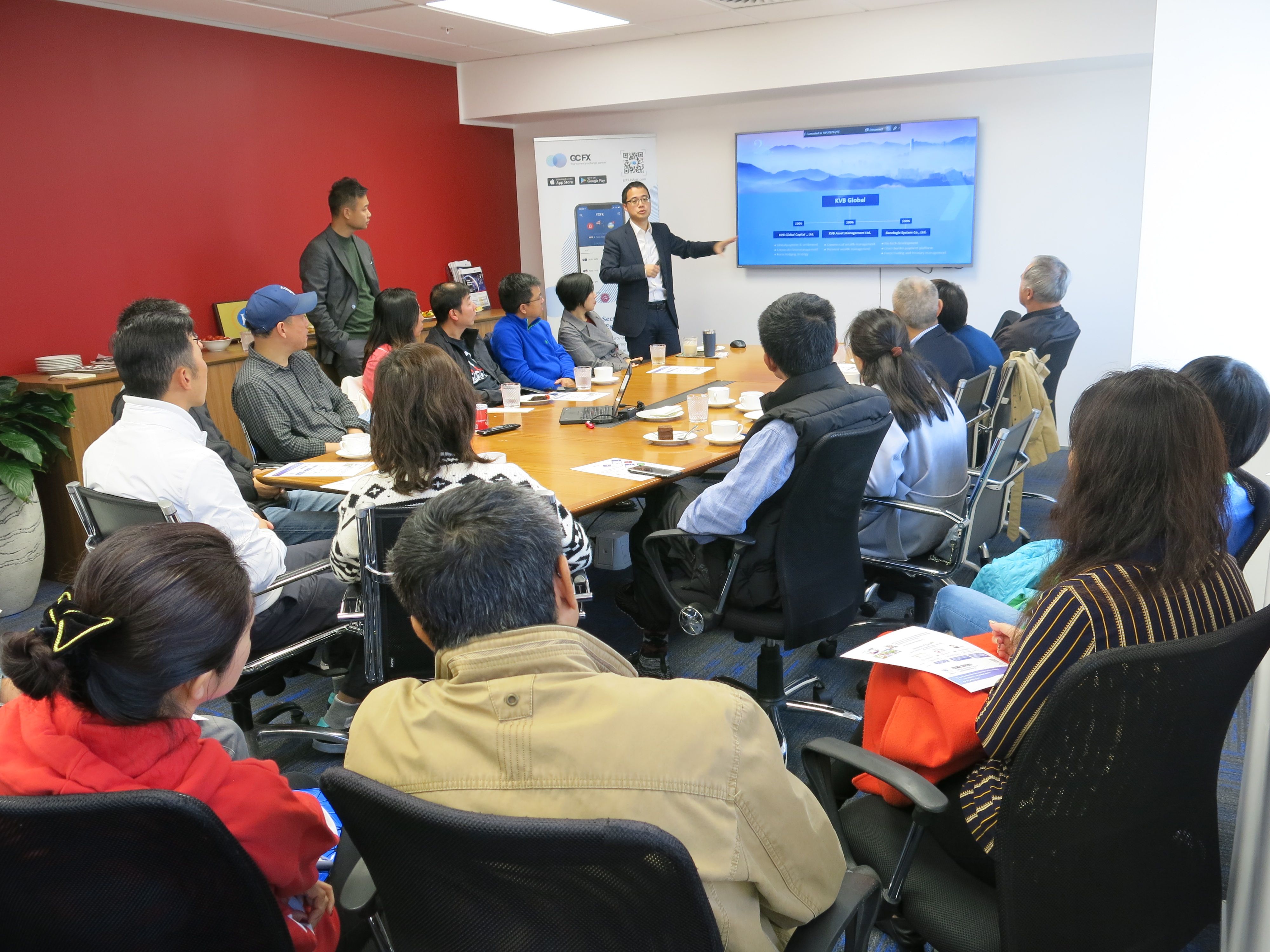
This seminar was presented by David Zheng, Global Trading Director of KVB. David first introduced the company's background and its 20 years of experience in the industry, as well as KVB's anti-money laundering supervision and automated monitoring systems. He then analyzed the anti-money laundering requirements and risks that may be involved in investment, currency exchange, home purchase, and property transactions from the perspective of the three institutions that most deeply affect new immigrants locally -- banks, the tax office, and the Department of Internal Affairs. David also cited cases of local Chinese suffering losses due to a lack of understanding of and failure to comply with anti-money laundering requirements, as well as how to avoid violating anti-money laundering laws. During the Q&A session, guests were very active in raising questions, such as how to meet supervisory requirements, how to prepare source-of-funds documentation, how to identify non-compliant transactions in the market, and how to explain the source and purpose of their funds to banks, regulatory institutions, and lawyers.
KVB will continue to host anti-money laundering related seminars and, drawing on over 20 years of professional knowledge and experience, provide relevant knowledge to local Chinese residents and businesses, while also offering better financial services and compliant operating channels to new immigrants, in order to raise anti-money laundering compliance awareness and fulfill its role as a professional advisor.
