

Foreign exchange (FX) poses significant challenges for small and medium-sized enterprises (SMEs) looking to thrive in the global market. The fluctuating exchange rates can impact business profitability. To mitigate these risks, SMEs must stay informed about exchange rate fluctuations through online resources or seek expert advice. This knowledge enables them to effectively manage currency risk and optimize their international operations, ensuring success in the competitive global marketplace.
Monitoring currency trends and utilizing reliable online platforms or financial institutions can assist small businesses in making informed decisions regarding foreign currency transactions. Implementing hedging strategies, such as forward contracts or options, can provide protection against potential losses caused by currency fluctuations. Additionally, carefully considering the various methods available for accounting foreign currency transactions and translation is essential to ensure accurate financial reporting.
Small businesses often face challenges when it comes to foreign exchange. Hidden fees charged by banks or payment processors can eat into profits. Negotiating better pricing and payment terms with suppliers can help reduce costs. It is crucial for SMEs to comply with international accounting standards and regulations when dealing with foreign currency transactions. Familiarizing themselves with the specific requirements of each target country is essential, including tax laws, customs regulations, data privacy regulations, and business licensing.
Small businesses face challenges when it comes to mastering foreign exchange. Fluctuations in currency values can have a significant impact on their profitability and financial stability. To succeed, SMEs need effective strategies to manage foreign exchange risks and mitigate the impact of currency fluctuations.
Foreign exchange poses substantial difficulties for small businesses. To succeed, they must implement strategies such as hedging to minimize exposure to exchange rate movements. Diversifying their customer base and suppliers across different countries can also help reduce reliance on a single currency or market. Additionally, staying informed about global economic trends and geopolitical events is crucial for small business owners engaged in international trade. By monitoring market conditions and analyzing the impact of these factors, businesses can make more informed decisions and mitigate risks associated with foreign exchange.
KVB, a well-established financial services provider, stands out in the field of FX management and has effectively assisted numerous SMEs in fulfilling their foreign exchange needs. Additionally, they offer FX Forward solutions that SMEs are encouraged to explore to gain a clearer understanding of how they operate and how they can help mitigate FX risks.
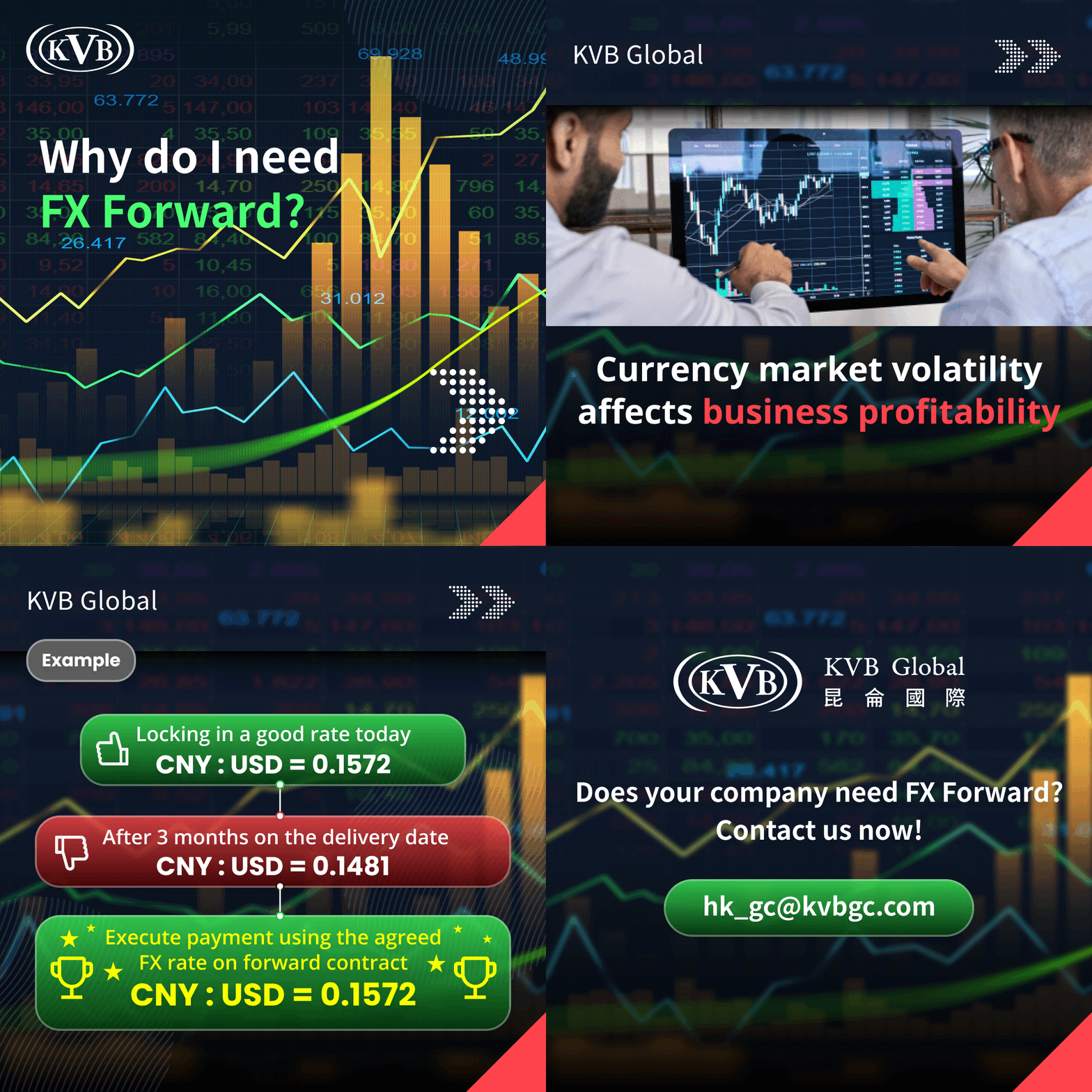
Operating in the global marketplace poses challenges for SMEs when it comes to managing foreign exchange. Fluctuating exchange rates, volatile currencies, and complex regulatory frameworks can hinder SME success. Limited resources and expertise in managing FX transactions are common obstacles faced by SMEs. Unlike larger corporations, SMEs often lack financial professionals or dedicated FX departments. Effective forex hedging strategies are necessary for SMEs to protect their international trade operations from currency risk.
They often struggle with understanding market dynamics and making informed decisions regarding currency conversions. Additionally, the inherent risks associated with foreign exchange fluctuations can impact their profitability. SMEs engaged in international trade are exposed to currency volatility, making accurate forecasting of currency movements crucial for managing costs and mitigating financial risks. Furthermore, regulatory compliance adds complexity to FX management for SMEs in this ever-changing landscape.
Running a small business across multiple countries can be challenging due to varying tax laws. Staying informed about these laws and their implications is crucial for SME success. SMEs should prioritize education and seek expert guidance to navigate these challenges effectively.
Disclaimer: The content of this article represents the author's personal views and does not reflect the position of KVB. It is provided for readers' reference only and should not be construed as investment advice. The originality and accuracy of the statements and content in this article have not been verified by our company. We make no guarantee or commitment regarding the truthfulness, completeness, or timeliness of the entire or partial content and statements in this article. Please independently verify the relevant information.
