Introduction: The Importance of Transaction Costs
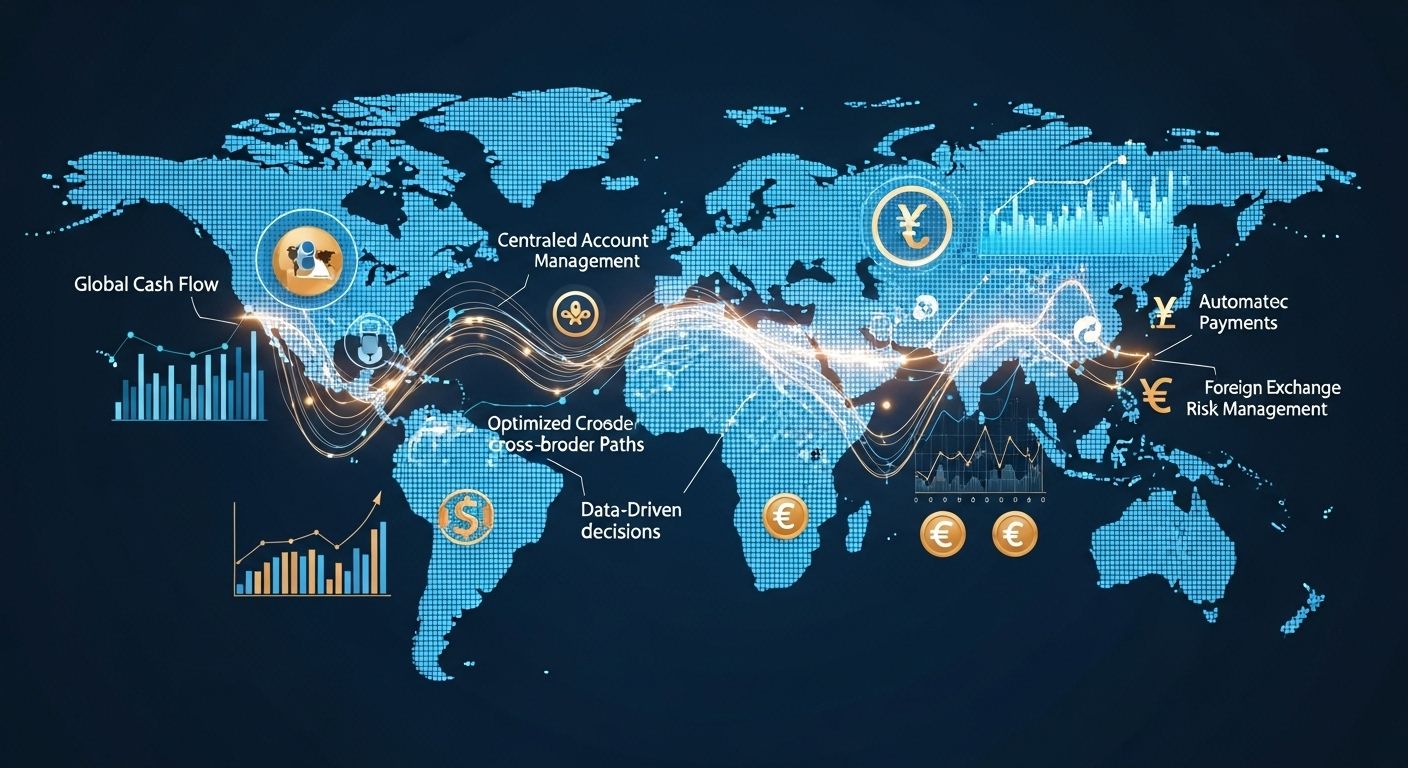
In a globalized business environment, transaction costs play a crucial role in determining a company’s profitability. High transaction costs not only erode profit margins but also slow cash flow and disrupt supply chain efficiency. By strategically optimizing transaction processes, payment methods, and cost structures, businesses can significantly lower expenses, improve capital efficiency, and achieve higher profitability.
In cross-border operations, transaction costs typically include bank fees, FX conversion losses, logistics and customs charges, and supplier management expenses. Reducing these costs requires a holistic approach that considers payments, cash flow, FX exposure, and supply chain operations.
Common Transaction Cost Challenges
- High Cross-Border Payment Fees: Multiple intermediaries and currency conversions increase overall cost.
- FX Volatility Losses: Multi-currency transactions are exposed to exchange rate fluctuations, adding to expenses.
- Logistics & Customs Costs: International shipping and customs clearance create additional charges.
- Manual Processing Costs: Manual workflows are time-consuming and prone to errors.
- Complex Supply Chain Management: Multiple suppliers and nodes increase transaction complexity and costs.
If these challenges are not addressed, businesses risk declining profits, tighter cash flow, and weaker competitiveness.
Core Strategies to Reduce Transaction Costs
- Optimize Cross-Border Payments: Consolidate multi-currency accounts, leverage batch payments, automate reconciliations, and choose local clearing channels to cut intermediary fees and speed up cash flow.
- FX Risk Management: Use forward contracts, FX options, or currency swaps to lock in rates and minimize FX-related losses. Regularly assess FX exposure and adjust payment timing or strategy accordingly.
- Supply Chain Optimization: Select reliable suppliers, negotiate favorable terms, centralize procurement, and optimize inventory management to lower procurement and shipping costs.
- Automation & Digitalization: Implement ERP systems, payment management tools, and automated workflows to reduce manual labor, improve accuracy, and accelerate financial processes.
- Compliance & Tax Optimization: Ensure adherence to regulatory requirements while leveraging tax planning and trade policy optimization to minimize penalties and unnecessary tax expenses.
Business Value of Reducing Transaction Costs
- Higher Profit Margins: Eliminate unnecessary expenses and improve profitability.
- Faster Cash Flow: Streamlined payment and settlement processes enhance liquidity.
- Improved Operational Efficiency: Automation reduces manual work and errors, improving accuracy.
- Stronger Supply Chain: Lower costs and better supplier terms improve delivery performance.
- Risk Mitigation: Compliance and FX management minimize potential financial risks.
Practical Recommendations for Businesses
- Assess Current Transaction Costs: Review payments, FX, logistics, and supply chain processes to identify cost drivers.
- Optimize Payment Processes: Use multi-currency accounts, batch payment solutions, and automation tools.
- Implement FX Risk Management: Leverage forwards, options, and swaps to reduce currency losses.
- Improve Supply Chain & Procurement: Select reliable suppliers, negotiate better terms, and centralize purchasing.
- Adopt Digital & Automated Systems: Use ERP and payment management software to enhance speed and accuracy.
- Plan for Compliance & Taxation: Stay compliant while reducing potential penalties and optimizing tax exposure.
Future Trends: Intelligent Cost Management
With the rise of AI, big data, and blockchain technology, companies can analyze transaction data in real time, predict FX trends, and optimize supply chain decisions for smarter cost control. Digitalization and automation will be critical enablers for reducing costs, improving operational efficiency, and strengthening competitiveness.
Reducing transaction costs is a vital strategy for improving profitability and cash flow in global operations. By optimizing payment processes, managing FX exposure, improving supply chain efficiency, and adopting digital tools, businesses can build a leaner, more competitive global operation and achieve sustainable growth.
KVB provides not just FX tools, but a suite of financial solutions to help you mitigate risk. contact us to learn more.
Disclaimer
1. The above content is solely personal opinions or news excerpts and does not represent the views of KVB Global.
2. All materials provided are solely for information purpose. The information subjects to change without prior notice.
3. No warranty is made as to its accuracy, reliability or completeness and this information is not to be construed as financial or investment advice or a solicitation or an offer to acquire any financial products or services.